Professional food safety experts located in Brampton help maintain restaurants, food distribution facilities, bakeries, warehouses, and mobile food units to sanitation standards. They treat high-touch surfaces, food prep surfaces, equipment, floors, drains, restrooms, and food handling areas with certified chemicals, in correct dilution, and using documented contact periods.
Main Points
- Brampton food safety cleaning experts service restaurants, grocery departments, commissaries, warehouses, bakeries, schools, mobile vendors, and allergen-sensitive operations.
- Cross-contamination elimination is ensured by cleaning frequently contacted areas, food-contact equipment, kitchens, floors, drains, restrooms, and storage areas with area-specific procedures.
- Proper chemical concentration, compatibility, and contact time are verified by certified specialists, with finalization logged via swabs, reviews, and correction logs.
- Sound maintenance schedules take into account threat, throughput, switches, incidents, and regulations when distributing regular, weekly, and periodic tasks by location.
- Insurance, coded implements, hazard analysis knowledge, public-health competency, WHMIS instruction, credentials, and assessment-ready cleaning paperwork are critical supplier characteristics.
Brampton Establishments That Need Food Safety Cleaning: Which Ones?
You must maintain food safety cleaning if your facility is regulated by health inspections, food codes, or HACCP protocols. This covers food venues, break rooms, food centers, supermarket areas, butcheries, seafood displays, shops, and commercial food prep.
Proper hygiene protocols is necessary in supply warehouses, processing plants, freezer locations, commercial bakeries, school food programs, reception facilities, and food delivery centers. Seasonal and mobile businesses count too, examples being catering vehicles, festival vendors, and pop-up establishments. Your establishment needs recorded sanitation procedures should your team process ingredients, portion ready-to-eat items, reheat products, or store allergens. In Brampton, sanitation stays discretionary; it comprises lawful, operational, and customer protection standards.
What Do Brampton Cleaning Experts Clean?
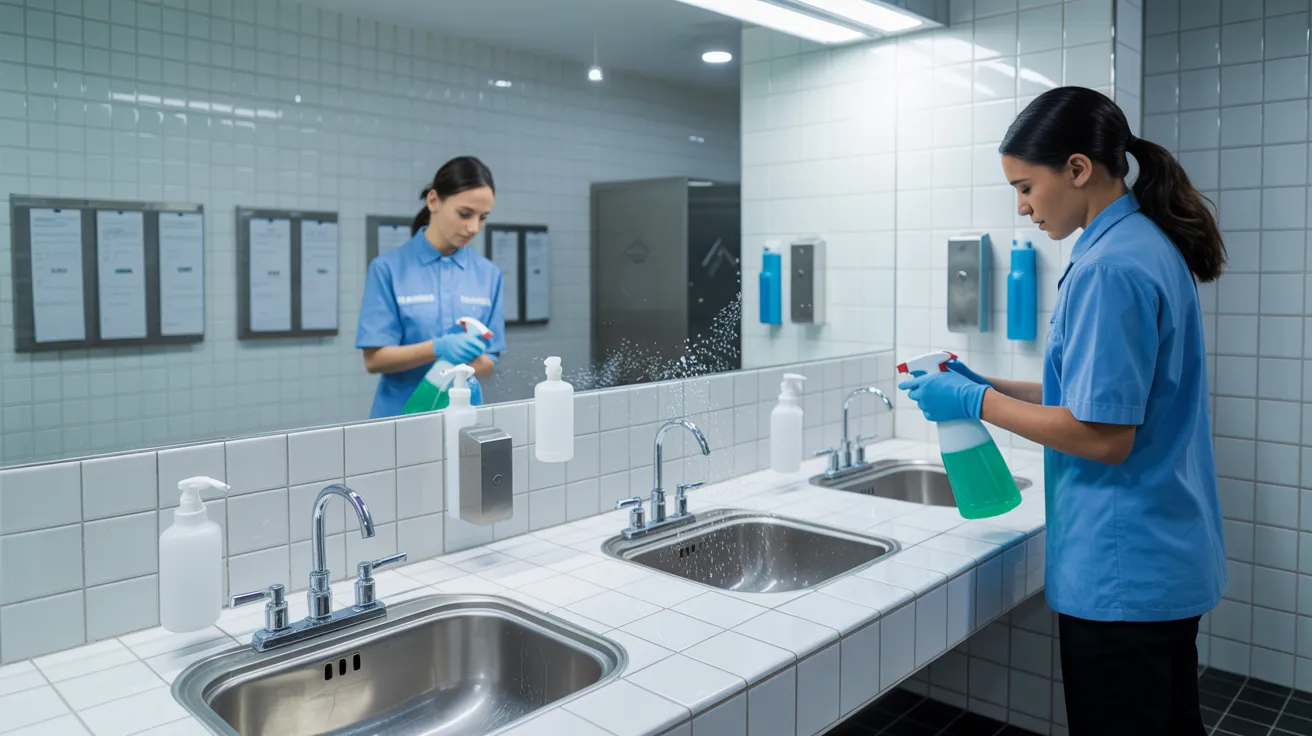
Your facility requires professional cleaners who disinfect frequently contacted surfaces, kitchens, all floor types, and toilet facilities for food safety and health code adherence. These zones receive attention because they represent the most significant contamination risk, hazardous walking conditions, and violations of hygiene standards.
Knowing their service areas enables you to validate your operation's sanitation satisfies required standards and regulations.
Emphasizing High-Touch Surface Disinfection
structure cleaning timing considering traffic, contamination risk, and operational use.
when outcomes fall beyond required standards. Additionally, they prevent cross-contamination via rotating wipes, maintaining one-way workflows
Kitchen Areas, Floor Surfaces, and Bathroom Spaces
Brampton cleaning services zero in on kitchens, floors, and restrooms as each zone involves distinct sanitation, accident, and wellness concerns. In industrial kitchens, you need grease removal from cooking stations, appliance surfaces, drain systems, preparation areas, and backsplashes to reduce bacterial growth and pest activity.
Professional floor care with documentation is also included. is likewise provided as part of the service.
Restroom sanitation requires decontaminating touch areas, bathroom equipment, stall barriers, supply stations, and bins, restocking supplies and controlling odours. They also maintain restaurant cleaning supply rooms where product storage, sink cleanliness, and drain systems impact daily sanitation standards and worker protection.
Why Food Safety Cleaning Matters in Brampton
To comply with regulatory mandates and pass inspections, Brampton facilities must maintain food-safe cleaning standards. You also minimize cross-contamination by cleaning and sanitizing food-contact surfaces, equipment, and high-touch areas correctly. Most importantly, you help protect public health by lowering the risk of foodborne illness in your facility.
Sanitary Standards Adherence
Food establishments in Brampton face mandatory safety protocols, making food safety cleaning essential to adhering to health code requirements, ensuring the safety of patrons, and eliminating enforcement action. You must maintain sanitized food contact points, recorded sanitation plans, proper chemical use, and auditable operational standards that comply with municipal and provincial inspection expectations.
Failure to maintain cleaning standards poses threats infractions, compliance orders, loss of reputation, and temporary closure during follow-up inspections or enforcement actions.
Contamination Prevention
Meeting regulatory requirements also depends on your ability to prevent cross-contamination during routine food preparation and sanitation. You must separate raw ingredients from ready-to-eat foods, sanitize prep surfaces between tasks, and keep cleaning products separate from food areas. Clear procedures reduce transfer risks and ensure ongoing adherence to health checks.
Implementing allergen segregation helps ensure major allergens don't touch communal work zones, bins, or devices. Utilize separate boards, color-labeled items, and clear tool marking so staff don't mix items during preparation or service. Require handwashing after handling raw meat, seafood, eggs, or allergen-containing products. Replace wiping cloths regularly, and verify sanitizer strength with test strips. When your team learns these guidelines per shift, you establish a more hygienic, safer workplace that satisfies Brampton's food safety needs regularly.
Community Health Safety
Should cleaning standards break, you don't simply encounter inspection problems—you increase the potential of foodborne illness impacting customers, staff, and the wider Brampton community. You also weaken your role in safeguarding community wellness, especially in busy food facilities where pathogens travel quickly through surfaces, equipment, and touchpoints.
You require sanitation systems that eliminate soils, sanitize effectively, and confirm results. This requires following exposure durations, selecting approved disinfectants, documenting procedures, and coaching employees to meet health-unit expectations. These controls promote pathogen control by minimizing pathogens before contaminating food or hands. Throughout Brampton, strong cleaning protects vulnerable communities, reduces outbreak risk, and demonstrates your diligence. When you follow proper protocols, you go beyond requirements—you mitigate risk and facilitate secure food handling throughout the area.
How Does Cleaning Support Food Safety Compliance?
Comprehensive cleaning schedules support food safety compliance by reducing contamination risks, managing pathogen expansion, and maintaining your facility's adherence to sanitation requirements under HACCP-based programs and public health regulations. You verify that food-contact surfaces appear visibly clean and microbiologically controlled, facilitating documented preventive controls and inspection readiness.
Diligent cleaning further strengthens allergen control by eliminating residues that can cause undeclared allergen exposure. When you combine validated sanitation procedures with standards training, your staff can implement standardized methods, employ approved chemicals properly, update records correctly, and handle variations before escalation occurs. Regular cleaning facilitates supply chain documentation, validates corrective steps, and shows responsibility throughout audits. Moreover, it supports you maintain product safety, maintain compliance standards, and minimize the risk of enforcement actions, market recalls, grievances, and preventable health hazards.
Determining When to Arrange Commercial Cleaning
food-contact surfaces, bathrooms, and high-contact areas
You should also plan periodic tasks independently
Selecting the Right Brampton Cleaning Experts: Key Considerations
Begin by evaluating providers based on food-safe sanitation requirements—not solely on budget. You should confirm that each organization comprehends CFIA, public health, and HACCP-based requirements applicable to your facility. Request insurance certificates, WHMIS compliance, staff training documentation, and oversight procedures. Assess whether technicians recognize cross-contamination risks, chemical handling protocols, and verifiable sanitation records.
You should further examine operational reliability and answerability. Request testimonials from Brampton food businesses, then review reply speed, corrective-action procedures, and communication standards. Validate the company facilitates supplier audits and can supply compliance documentation to regulators or third parties. Confirm equipment is maintained, color-coded implements are applied correctly, and facility-specific risks are identified. A qualified provider ensures regulatory compliance, product quality, and your reputation in the market.
What aspects should a sanitation plan include?
Write out a plan that defines every sanitation activity, guideline, and role before production begins. You should record cleaning schedules, approved products, ratios, contact periods, tools, and validation approaches for each area, surface, and device. Ensure you include pre-operational inspections, corrective actions, and employee training requirements.
Your plan should also address cross-contamination controls, waste handling, pest-prevention measures, and documented schedules for facilities, drains, flooring, and food-preparation surfaces. Specify how you'll distinguish between uncooked and prepared items, facilitate ingredient tracking, and maintain accurate allergen labeling through validated cleaning between product changes. You should establish accountability, keep signed records, and evaluate results against regulatory standards, HACCP controls, and customer requirements. When gaps appear, modify procedures immediately and instruct staff.
Popular Inquired Inquiries
Can cleaning services support nighttime operations in Brampton facilities?
If you operate controlled facilities, you'll also need documentation that enable audits and ensure quality assurance.
Can Brampton cleaning experts handle hazardous incidents?
Yes, you can find many Brampton cleaning professionals offering spill containment options. They manage hazardous materials, evaluate risks, isolate zones, and perform swift decontamination to minimize risk and prevent disruption. You should verify response times, training credentials, safety measures, and procedures. If your facility must meet standards, pick review article a provider that logs events, follows procedures, and ensures verification.
Are green disinfectants suitable for food-handling equipment?
In essence, eco-friendly disinfectants function safely for food-handling equipment provided you source items marked food-safe that satisfy regulatory compliant. Verify exposure duration, concentration levels, and rinsing needs before use. Plant-derived products minimize chemical burden, although you need confirmation of performance against specific pathogens. To keep residue free surfaces, adhere to exact manufacturer guidelines and ensure the cleaning agent satisfies applicable food industry sanitation standards.
Can sanitation programs adapt with seasonal production changes?
Absolutely, cleaning schedules can be customized for production fluctuations. Adjust intervals, staffing, sanitizers, and confirmation procedures to fit production rhythms while upholding compliance standards. Decrease production downtime through planning sanitation amid changeovers, maximum output, and operational patterns. Also revise standard operating procedures, staff education, and monitoring protocols to address transient threats, new allergens, or elevated soil levels. Frequent reviews ensure your program current.
Do commercial cleaners educate employees on hygiene standards?
Indeed, professional cleaners often offer staff training on proper hygiene. Your team receives instruction on proper chemical use, exposure durations, cross-contamination prevention, equipment breakdown, and documentation. They typically follow instruction with HACCP, GMP, and CFIA or local public health criteria. Many also execute sanitation audits to confirm standards, identify gaps, and reinforce corrective actions. This assists you to maintain consistent procedures, pass inspections, and reduce food safety risks each day.
Closing Remarks
When you work with Brampton commercial cleaning and food safety experts, you aren't merely cleaning—you maintain your facility audit-prepared and your standards above board. From processing areas to kitchen spaces, every polished surface and well-kept corner minimizes unwelcome guests and avoid expensive problems. By arranging cleanings at the right intervals and following a clear cleaning plan, you safeguard employees, patrons, and your brand image. In a strict regulatory setting, sanitary conditions aren't optional—they're part of doing business right.